
5 Tips for Tracing Your
Early American Ancestors
By Vanessa Wieland

Whether you’re celebrating July 4th or simply enjoying a quiet weekend, it’s a great time to dive into researching your early American ancestors.
We have plenty of tips and resources to ease your way, below.
Overcome Two Big Hurdles
Researching your early American ancestors becomes a lot more difficult once you start searching prior to 1850 for two reasons: First, US census records prior to 1850 don’t have the names of everyone living in a household. Second, until January 1, 1820, the U.S. Government didn’t require passenger lists for those arriving in America. The search for anyone prior to those two dates requires some real sleuthing.
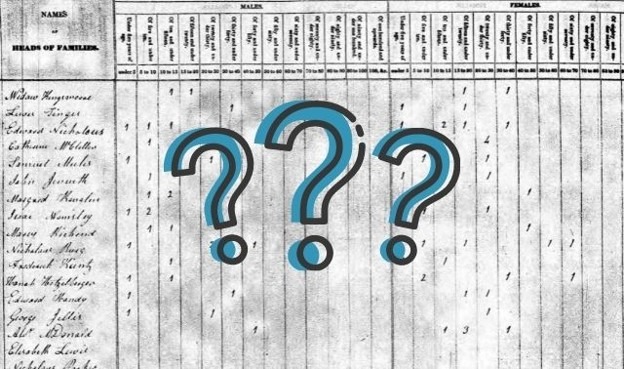
Don’t stress out about finding ancestors in early, head-of-household-only censuses. These tricks will help you transform those tick marks into ancestral families.
Look for the Usual Suspects
It’s tempting to have tunnel vision, focusing only on your direct line, but your ancestors had siblings, cousins, friends, and coworkers — and those people might have valuable information about your ancestors. Correspondence, military pension files from 1812 (which can be found at Fold3), and other items can provide links to your ancestor you otherwise might not have found.
Be a Law-Abiding Citizen
When we think of why our ancestors immigrated to America, chances are, we’re thinking of the American Dream, so it’s important to think about what records would be generated in their pursuit of that. Learn about the laws, which will tell you what kind of records might exist for your ancestors. If that sounds difficult, don’t worry!
Look for Excess Baggage
Immigration records prior to 1820 do exist, even if they become even more challenging to find. Starting in 1800, the federal government taxed personal baggage over a certain limit and Philadelphia kept a list of the “excess” baggage owners. This is housed with the passenger lists for the port at the National Archives.
Build a Research Strategy
How do you distinguish between two people of the same name in the same place? An integral part of this: Research not just your ancestor, but the people surrounding your ancestors using cluster and collateral research methods.
A version of this article was posted online in May 2018. Last updated: August 2025